

Quick Summary
- 12 delivery management platforms compared side-by-side on route optimization, pricing transparency, driver app usability, and integration depth.
- SmartRoutes leads for small and mid-sized fleets, with unlimited drivers included from €29/month and a 7-day free trial.
- Route optimization and smart scheduling can cut distance and fuel costs by roughly 10–30%, while keeping promised time windows realistic.
- Real-time tracking, automated notifications, and proof of delivery reduce missed deliveries, support tickets, and disputes over completed orders.
- Pricing models vary widely: per-driver, per-stop, flat monthly, and quote-only, so starting prices alone don't tell the full cost story at scale.
- Reporting and analytics turn delivery data into action, showing which routes, drivers, or regions drive the most cost, delays, or failed first-attempt deliveries.
Missed or failed deliveries are expensive: each one can cost a business around $18 once you factor in reattempts, handling, and customer support.
Delivery management software is how teams keep those costs under control while maintaining on-time delivery rates and customer satisfaction.
This guide compares the leading platforms in 2026, looking at route optimization accuracy, pricing transparency, driver app usability, real-time tracking, and integration depth, so you can see how each one performs in real-world delivery operations.
By the end, you'll know which tool is best for your business based on your fleet size, delivery volumes, and integration needs.
What is Delivery Management Software?
Delivery management software is a platform that helps businesses plan routes, assign deliveries to drivers, track vehicles in real time, and keep customers informed from dispatch through to proof of delivery.
Instead of juggling spreadsheets, maps, messaging apps, and a separate GPS tool, everything sits in one system that shows where each order is, who is delivering it, and whether it was completed successfully.
This makes it a better fit for teams handling multiple drivers, growing delivery volumes, or customers who expect accurate ETAs and proof of delivery on every order.
| Software | Best For | Starting Price | Rating |
|---|---|---|---|
| SmartRoutes | All-in-one delivery management for SMBs | From €29/mo (unlimited drivers) | Capterra: 4.8/5 |
| Route4Me | Complex multi-stop route planning | Custom quote | Capterra: 4.5/5 |
| Tookan | Small and growing delivery teams | From $129/mo | Capterra: 4.1/5 |
| OptimoRoute | Analytics-driven delivery operations | From $39/driver/mo | Capterra: 4.6/5 |
| Onfleet | High-volume last mile operations | From $599/mo | Capterra: 4.6/5 |
| Routific | Small to medium delivery teams | Free up to 200 orders; paid from $150/mo | Capterra: 4.9/5 |
| Spoke | Fast setup with time window delivery | From $125/mo (1,000 stops) | Capterra: 4.8/5 |
| Stream (Go2Stream) | Multi-depot and complex logistics | From $259/mo (3 vehicles) | Capterra: 4.5/5 |
| Scurri | Enterprise and scaling eCommerce retailers | Custom quote | Capterra: 4.7/5 |
| Shipday | Restaurants and local food delivery | Free up to 300 orders/mo; paid from $29/mo | Capterra: 4.7/5 |
| DispatchTrack | Appointment-based and high-value deliveries | Custom quote | Capterra: 4.5/5 |
| Onro | Courier companies and on-demand delivery | From $239/mo (1,500 deliveries) | Capterra: 5.0/5 |
How We Evaluated These Platforms
Choosing the wrong delivery software is costly. Each platform was assessed against five criteria that matter most for day-to-day delivery operations:
- Route optimization accuracy: how well the tool sequences stops, handles time windows, and adapts to last-minute changes
- Pricing transparency: whether costs are clear upfront or require a sales call, and how pricing scales with fleet size
- Driver app usability: ease of navigation, proof of delivery capture, and offline reliability in the field
- Integration depth: how easily each platform connects to eCommerce, POS, and CRM systems
- Support quality: response times and available channels based on public reviews and provider documentation
Ratings referenced throughout this guide are pulled from verified Capterra reviews rather than vendor-supplied scores, so you're comparing real user feedback.
SmartRoutes: Best all-in-one delivery management
- Free trial: 7 days, full feature access, no credit card required
- Platforms supported: Web, iOS, Android (driver app)
- Ease of use: Straightforward setup built for planners and drivers with no dedicated onboarding team
- Pricing: From €29/month (unlimited drivers)
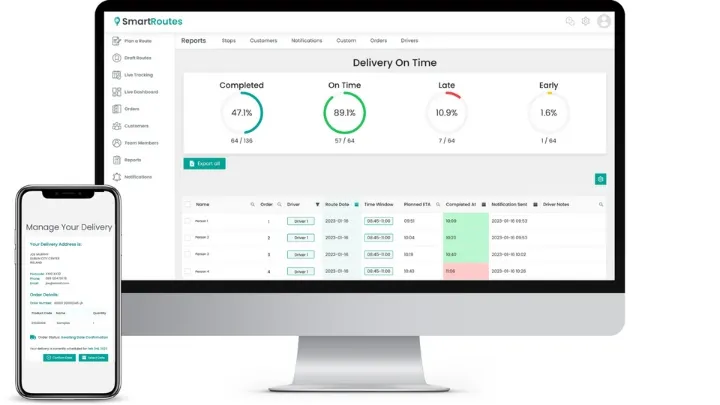
SmartRoutes suits retailers, wholesalers, field service teams, and delivery businesses that want route planning, dispatch, tracking, notifications, and proof of delivery in a single platform without per‑driver fees.
It works well for small and mid‑sized fleets that need to move away from spreadsheets and manual planning but still want straightforward setup and day‑to‑day use.
Key features
- Route optimization with time windows, capacities, and driver hours built in
- Driver app for live tracking, navigation, and proof of delivery (photos, signatures, barcodes)
- Automated SMS and email notifications with live tracking links and accurate ETAs
- Zones and territories for organizing routes by region or depot
- Reporting on distance, duration, on‑time rate, and first‑attempt success
SmartRoutes Rating & Reviews
SmartRoutes Route Planning Software
Streamline your entire delivery process, all from one platform

Route4Me: Best for complex multi-stop route planning
- Free trial: Not listed
- Platforms supported: Web, iOS, Android (driver app on higher tiers)
- Ease of use: More configurable than most, so expect a setup curve to unlock full routing control
- Pricing: Custom quote
Route4Me is designed for teams that handle complex multi‑stop routes, such as regional distribution, service calls, or dense-urban delivery runs.
It suits operations that need to optimize large numbers of stops across multiple vehicles and want fine control over how those routes are built.
Key features
- Multi‑stop route optimization for large stop lists across multiple vehicles
- Support for recurring routes, territories, and route templates
- Options for driver mobile apps, live tracking, and basic proof of delivery on higher tiers
- Add‑ons for industry‑specific workflows and integrations via the marketplace
Route4Me Rating & Reviews
Tookan: Best delivery management tool for small and growing delivery teams
- Free trial: Not listed; check with sales for trial access
- Platforms supported: Web, iOS, Android (driver app)
- Ease of use: Flexible but requires configuration to match on-demand and scheduled workflows
- Pricing: From $129/month
Tookan is designed for small and growing delivery teams that want a flexible platform for managing pickups, deliveries, and on‑demand jobs.
It is a good fit for businesses that need a mix of scheduled and same‑day work, such as local couriers, groceries, or services.
What sets Tookan apart from most delivery platforms on this list is its task-based flexibility: instead of building only recurring routes, teams can configure one-off or on-demand jobs on the fly, which suits businesses mixing scheduled deliveries with ad hoc pickups.
Key features
- Job creation and assignment for deliveries, pickups, and field tasks
- Route planning and optimization to group stops efficiently
- Driver app with task lists, navigation, and basic proof of delivery
- A large third-party marketplace (payments, chat, custom workflows) that lets teams bolt on features without waiting for native development
- Support for hyperlocal and on-demand job types beyond scheduled routes, such as single-item pickup-and-drop tasks common in courier and quick-commerce work
Tookan Rating & Reviews
OptimoRoute: Best for analytics-driven delivery operations
- Free trial: Not listed; check with sales for trial access
- Platforms supported: Web, iOS, Android (driver app)
- Ease of use: Built for teams comfortable working with detailed rules and data-driven setup
- Pricing: From $39/driver/month (Lite plan)
OptimoRoute is built for businesses that want detailed control over routing plus strong analytics on how routes and drivers perform over time.
It suits operations that are ready to optimize around specific KPIs such as utilization, time on site, or service level agreements.
Key features
- Advanced route optimization with service time, skills, days, and visit frequency rules
- Support for recurring routes and multi‑day planning across long horizons
- Driver app with live updates and proof of delivery options
- Detailed reports on routes, driver performance, and on‑time delivery
OptimoRoute Rating & Reviews
Onfleet: Best suited to high-volume last mile operations
- Free trial: Not listed; demo-led onboarding for enterprise-scale teams
- Platforms supported: Web, iOS, Android (driver app), plus API access
- Ease of use: Best suited to teams with technical resources to configure automation and integrations
- Pricing: From $599/month (Launch plan, 2,500 tasks)
Onfleet targets high‑volume delivery operations such as eCommerce, grocery, and parcel carriers that need a mature, API‑friendly platform built to scale.
It suits teams that handle large daily order volumes and want strong automation and customer experience features.
Key features
- Powerful dispatch and route assignment tools with automation rules
- Driver app with real‑time tracking, task management, and proof of delivery
- Customer notifications with live tracking pages and accurate ETAs
- Robust API and integrations for eCommerce, POS, and order management systems
- Analytics on task volume, delivery times, and service levels
Onfleet Rating & Reviews
Routific: Best for low delivery volumes
- Free trial: Free tier available (up to 200 orders/month, no time limit)
- Platforms supported: Web, driver app on higher tiers
- Ease of use: Simple drag-and-drop route editing with a low setup barrier
- Pricing: Free up to 200 orders; paid plans from $150/month
Routific stands out for its drag-and-drop route editing, letting dispatchers manually override optimized routes in seconds rather than re-running the algorithm, which matters for teams who need a human check on the machine's suggestions.
Key features
- Visual drag-and-drop route editing that updates ETAs instantly as stops are moved between drivers
- A genuinely usable free tier (up to 200 orders/month) rather than a time-limited trial, making it one of the few tools on this list businesses can run long-term at zero cost
- Higher-tier add-ons for driver app and live tracking, kept separate so small teams aren't forced to pay for features they don't need yet
Routific Rating & Reviews
Spoke: Best for fast setup and time-window delivery
- Free trial: Not listed; usage-based quote required
- Platforms supported: Web, driver app for real-time tracking
- Ease of use: Designed for fast import and minimal setup via spreadsheet or manual entry
- Pricing: From $125/month (1,000 stops)
Spoke is designed for teams that need to get drivers routing quickly with minimal setup, particularly when customers request specific time windows for same‑day or next‑day deliveries.
Key features
- Fast import of stops via spreadsheet or manual entry
- Route optimization that respects delivery time windows
- Real‑time driver tracking and ETAs, with basic customer updates
Spoke Rating & Reviews
Stream: Best for multi-depot and complex logistics
- Free trial: Not listed; contact sales for demo
- Platforms supported: Web, driver app with barcode scanning support
- Ease of use: Feature-rich but built for multi-depot complexity, so expect more setup than single-depot tools
- Pricing: From $259/month (3 vehicles, unlimited users)
Stream (Go2Stream) targets logistics operations with multiple depots, mixed fleets, or more complex delivery and collection patterns.
It suits businesses that need strong control over loading, depot flows, and scanning as well as route plans.
Key features
- Drag‑and‑drop route builder and auto‑planning for new orders
- Route optimization that factors in depots, time slots, and fleet availability
- Load planning, barcode scanning on/off vehicles, and support for multi‑depot operations
- Delivery slots, notifications, and tracking for customers
Stream Rating & Reviews
Scurri: Best for enterprise and scaling eCommerce retailers
- Free trial: Not listed; quote-based onboarding for enterprise retailers
- Platforms supported: Web, integrates with eCommerce, WMS, and ERP systems
- Ease of use: Built for retailers with existing technical infrastructure to support multi-carrier setup
- Pricing: Custom quote (designed for 10,000+ parcels/month)
Scurri is a multi-carrier delivery management platform built for retailers shipping at scale.
It connects every stage of the order-to-doorbell journey, from automated carrier selection at checkout through to post-purchase tracking communications, making it a strong fit for operations managing high parcel volumes across multiple carriers.
Key features
- Multi-carrier management with automated carrier selection using configurable business rules
- Carrier-approved label generation across global, regional, and local carriers
- Real-time parcel tracking with branded post-purchase communications via Scurri Track Plus
- Integrations with leading eCommerce platforms, WMS, and ERP systems
- Analytics and carrier cost reporting to identify savings and performance gaps
Scurri Rating & Reviews
Shipday: Best for restaurants and local food delivery
- Free trial: Free tier available (up to 300 orders/month)
- Platforms supported: Web, iOS, Android (driver app)
- Ease of use: One of the fastest tools on this list to get running, built for small food and courier teams
- Pricing: Free up to 300 orders/month; paid from $29/month
Shipday is a simple, affordable delivery management platform built for restaurants, ghost kitchens, grocery stores, and small local couriers.
It supports a pickup-then-drop workflow and integrates with major restaurant management platforms, making it one of the easiest tools to get started with for food delivery operations.
Key features
- Auto-dispatch and route optimization for on-demand and scheduled orders
- Driver app with proof of delivery (photo and signature) and earnings tracking
- Live GPS tracking and SMS notifications for customers
- Integration with DoorDash and Uber drivers for overflow capacity
- Connections to restaurant platforms including GloriaFood, Toast, and Clover
Shipday Rating & Reviews
DispatchTrack: Best for appointment-based and high-value deliveries
- Free trial: Not listed; quote-based demo for mid-market and enterprise teams
- Platforms supported: Web, driver app for proof of delivery
- Ease of use: Built for appointment-driven operations, so setup reflects that scheduling complexity
- Pricing: Custom quote
DispatchTrack is a last-mile delivery management platform built specifically for appointment-driven, high-value delivery operations (furniture, appliances, building materials, and specialty retail).
It covers the full last-mile workflow from scheduling and route optimization through to customer communication, proof of delivery, and post-delivery analytics.
Key features
- AI-powered route optimization with 98% accurate delivery ETAs
- Customer communication workflows with SMS and email alerts at key delivery stages
- Real-time last-mile visibility dashboard for dispatchers and managers
- Driver mobile app for proof of delivery (photos, signatures, notes)
- Post-delivery customer satisfaction surveys and NPS tracking
DispatchTrack Rating & Reviews
Onro: Best for courier companies and on-demand deliveries
- Free trial: 14 days
- Platforms supported: Web, iOS, Android (driver app), white-label customer portal
- Ease of use: AI-assisted dispatch reduces manual setup, though white-label branding takes extra configuration
- Pricing: From $239/month (1,500 deliveries)
Onro is an AI-powered courier management platform designed specifically for courier companies, whether they offer same-day, next-day, or on-demand delivery services.
It goes beyond general delivery management software by including financial tools, white-label customer portals, and AI agents that support dispatch and routing around the clock.
Key features
- AI-powered dispatch, routing, and real-time customer experience automation
- White-label customer portal and driver app for branded courier operations
- Hub scanning and warehouse sorting tools for pickup-hub-delivery workflows
- Cash on delivery management, driver wallets, and invoicing
- Multi-channel customer notifications via SMS, WhatsApp, and email
Onro Rating & Reviews
Key Features of Delivery Management Software
When looking for the best delivery management system for your business, make sure to keep an eye out for these features:
Route Optimization
Route optimization calculates the most efficient sequence of stops for every vehicle so drivers cover fewer miles while hitting promised time windows, and it underpins any good route scheduling software.
By cutting unnecessary detours and idle time, fleets routinely reduce mileage and fuel spend by 10–30%, which lowers cost per delivery and emissions at the same time.
It also helps planners react quickly to changes such as last‑minute orders or traffic, updating routes without rebuilding the entire day from scratch.
Real-Time Tracking
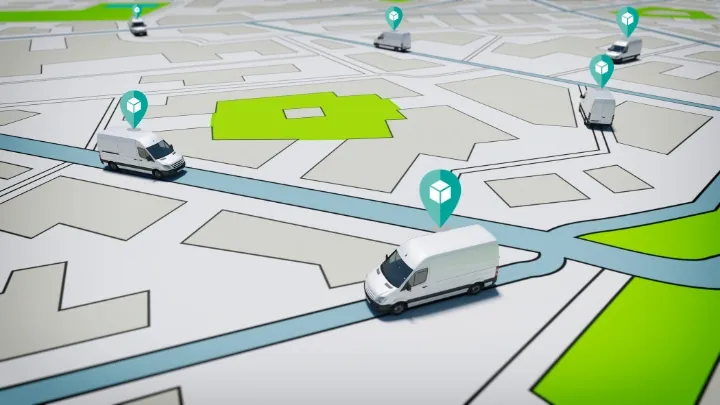
Real-time tracking shows where every driver and order is on a live map, giving operations teams and customers a single, accurate view of delivery progress.
Sharing live tracking links and ETAs reduces “where is my order?” calls and makes it easier to manage delays proactively instead of reacting after complaints arrive.
For customers, this visibility builds trust and leads to higher satisfaction and loyalty because they know exactly when to be ready for a delivery.
Dispatch and driver management
Dispatch tools let planners assign stops to the right driver in a few clicks, much like dedicated dispatch software for small business does, instead of manually building runs in spreadsheets or messaging apps.
They take into account capacity, skills, territories, and time windows so that routes are realistic and drivers are not overloaded or double‑booked.
With a connected driver app and solid delivery scheduling software, updates flow both ways in real time, allowing dispatchers to reshuffle work during the day without losing track of what has been completed.

Customer Notifications
Customer notifications keep people informed at key points in the delivery journey: order confirmed, out for delivery, delayed, and delivered.
Well‑timed SMS or email alerts make it more likely that customers are home during the agreed time window, which reduces missed deliveries and the cost of reattempts. This is critical for tight models like same‑day delivery.
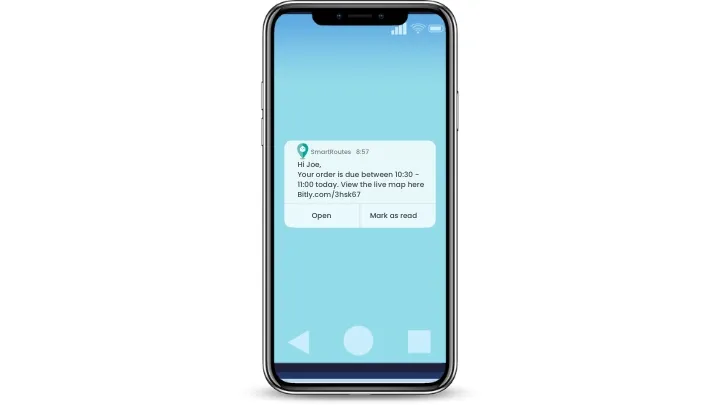
Clear updates also cut routine support contacts because customers can see what is happening with their order without needing to call for an update.
Proof of Delivery
Proof of delivery features capture signatures, photos, notes, and timestamps in a driver app so each stop has a clear digital record.
This makes it easier to resolve disputes about damaged or missing items and reduces the need for paper dockets, which is especially important in sectors like grocery delivery and cannabis delivery.
Operations teams can see instantly which orders were completed, which failed, and why, helping them spot recurring issues and improve first‑attempt success rates over time.
Reporting and Analytics
Reporting and analytics turn delivery data into dashboards and reports that show delivery performance over time, from on‑time rates and first‑attempt success to average cost per stop.
By tracking these metrics, managers can see which routes, regions, or customers are driving most of the cost and where small changes could have the biggest impact.
This insight also supports long‑term planning, helping teams decide when to add vehicles, change service areas, or adjust delivery promises so they stay profitable as volumes grow.
How to Choose the Best Delivery Management Software
To ensure you make an informed and strategic choice, consider the following essential tips when evaluating various software solutions:
Fleet Size and Volume
Begin by understanding your business's size and scale of operations. Consider factors such as the volume of deliveries, the number of vehicles in your fleet, and the geographic reach of your delivery network.
Whether you are a small local business or building out a larger courier operation, being clear on volumes, service areas, and delivery promises will narrow down which platforms can actually support you.
Must-Have Features
Identify the core features that align with your business goals. Route optimization should be a top priority, as it directly impacts delivery efficiency and cost savings.
Real-time tracking capabilities provide crucial visibility into your fleet's movements, enabling proactive response to unexpected events and ensuring timely deliveries.
Additionally, robust customer communication tools, including automated notifications and delivery status updates help to enhance the overall customer experience.
Integration Requirements
Ensure that the delivery management software you choose can integrate smoothly with your existing systems and tools.
Key integrations to consider include EPOS (Electronic Point of Sale) system, eCommerce platform and CRM (Customer Relationship Management) system.
A well-connected ecosystem enables seamless data exchange and enhances the accuracy of delivery tracking and reporting. Seamless integration saves time, minimizes data duplication, and optimizes your delivery management processes.
Pricing and Scalability
Balance the costs of the software against the potential benefits and cost savings it offers.
Factor in the long-term ROI that the software can provide by optimizing delivery routes, reducing operational expenses, and enhancing customer satisfaction.
A cost-effective solution that aligns with your budget while delivering substantial value can be the key to sustainable success in your delivery operations, whether you stay in‑house or mix in some outsourced delivery.
SmartRoutes: A Practical Choice for Delivery Management
SmartRoutes gives delivery teams one place to plan routes, dispatch jobs, track vehicles, message customers, and capture proof of delivery, so you are not juggling separate tools. Businesses typically see shorter routes, lower fuel spend, and less time spent on manual planning, which brings down cost per stop and helps teams handle more deliveries with the same fleet.
You can see how it works in your own operation with a 7‑day free trial that includes full access to routing, tracking, notifications, and reporting, with no credit card required.
FAQ: Best Delivery Management Software
1. What is delivery management software?
Delivery management software is a platform that helps businesses plan routes, assign deliveries to drivers, track vehicles in real time, and keep customers informed from dispatch through to proof of delivery. It connects order data, route optimization, driver apps, live tracking, notifications, and reporting so you can manage the entire last mile from one dashboard instead of juggling separate tools.
2. Why does my business need last mile delivery management software?
Without a dedicated delivery management system, teams often rely on spreadsheets, manual calls, and separate apps that do not share data. This can lead to missed time windows, driver inefficiencies, and reactive customer service. Last mile delivery management software brings all of this into one system, helping reduce delivery costs while improving visibility for both your team and your customers.
3. What are the benefits of using delivery management software?
The main benefits include reduced mileage and fuel costs through route optimization, higher on-time and first-attempt delivery rates, fewer inbound customer inquiries thanks to automated notifications, and clearer reporting on delivery performance over time. Many teams can handle more stops per day with the same fleet after adopting delivery management software.
4. What features should a delivery management solution include?
A solid delivery management solution should include route optimization, real-time driver tracking, a mobile driver app with proof of delivery, automated customer notifications, and reporting and analytics. Depending on your operation, you may also need capacity planning, multi-depot support, eCommerce integrations, or barcode scanning.
5. How do I choose the right delivery software for my business?
Start by mapping your delivery volume, fleet size, and service area. Then identify which features you cannot operate without, such as route optimization, time windows, or proof of delivery, and check whether the platforms you are considering include them in their standard plans rather than as paid add-ons. Testing two or three tools with free trials is usually the clearest way to compare fit before committing.
6. How much does delivery management software cost?
Pricing varies widely by scale and features. Entry-level plans typically start around $29-49 per month or per driver, while enterprise platforms with advanced routing and analytics can run $500-1,500+ per month depending on delivery volume. Since pricing models differ (per-driver, per-stop, or flat monthly), compare total cost at your expected volume rather than the advertised starting price alone.
7. Can delivery management software integrate with my existing e-commerce or POS system?
Most modern platforms offer pre-built integrations with common eCommerce platforms like Shopify and WooCommerce, along with APIs for custom connections to POS, CRM, or ERP systems. Checking integration depth before committing is important if you plan to sync order data automatically rather than entering it manually.
8. What's the difference between delivery management software and route planning software?
Route planning software focuses narrowly on calculating efficient stop sequences. Delivery management software includes route optimization but adds dispatch, live tracking, customer notifications, and proof of delivery, covering the entire last-mile process rather than just the routing step.
9. What is the best delivery management software for small businesses?
SmartRoutes is the best option for small businesses, with plans starting from €29/month for unlimited drivers and a 7-day free trial that requires no credit card. Routific and Shipday are also strong choices for small teams, both offering free tiers (up to 200 and 300 orders/month respectively) before committing to a paid plan.
10. What is the best delivery management software for enterprise operations?
Onfleet and DispatchTrack are best suited to enterprise operations, with Onfleet built for high-volume eCommerce and parcel carriers through a robust API, and DispatchTrack designed around appointment-based, high-value deliveries at scale. Scurri is another strong enterprise pick for retailers processing 10,000+ parcels per month across multiple carriers.
11. What is the best delivery management software for restaurants and food delivery?
Shipday is the best fit for restaurants and local food delivery, with a free tier for up to 300 orders per month and pricing built around smaller, high-frequency delivery runs. Tookan is a good alternative for restaurants that also need to manage on-demand pickup and courier-style jobs alongside standard delivery.
If you enjoyed this blog, you might also be interested in:
 Caroline Hassett
 Michael Santry